Your Gentle Parenting Coach: Compassionate Guidance 24/7
Transform challenging moments into opportunities for connection. Get evidence-based gentle parenting strategies tailored to your family.
Parents Helped
Available Anytime
Languages
Evidence-Based


Traditional Parenting Challenges
- Power struggles that escalate into daily battles
- Punishment-based discipline that damages connection
- Feeling stuck between being too strict or too permissive

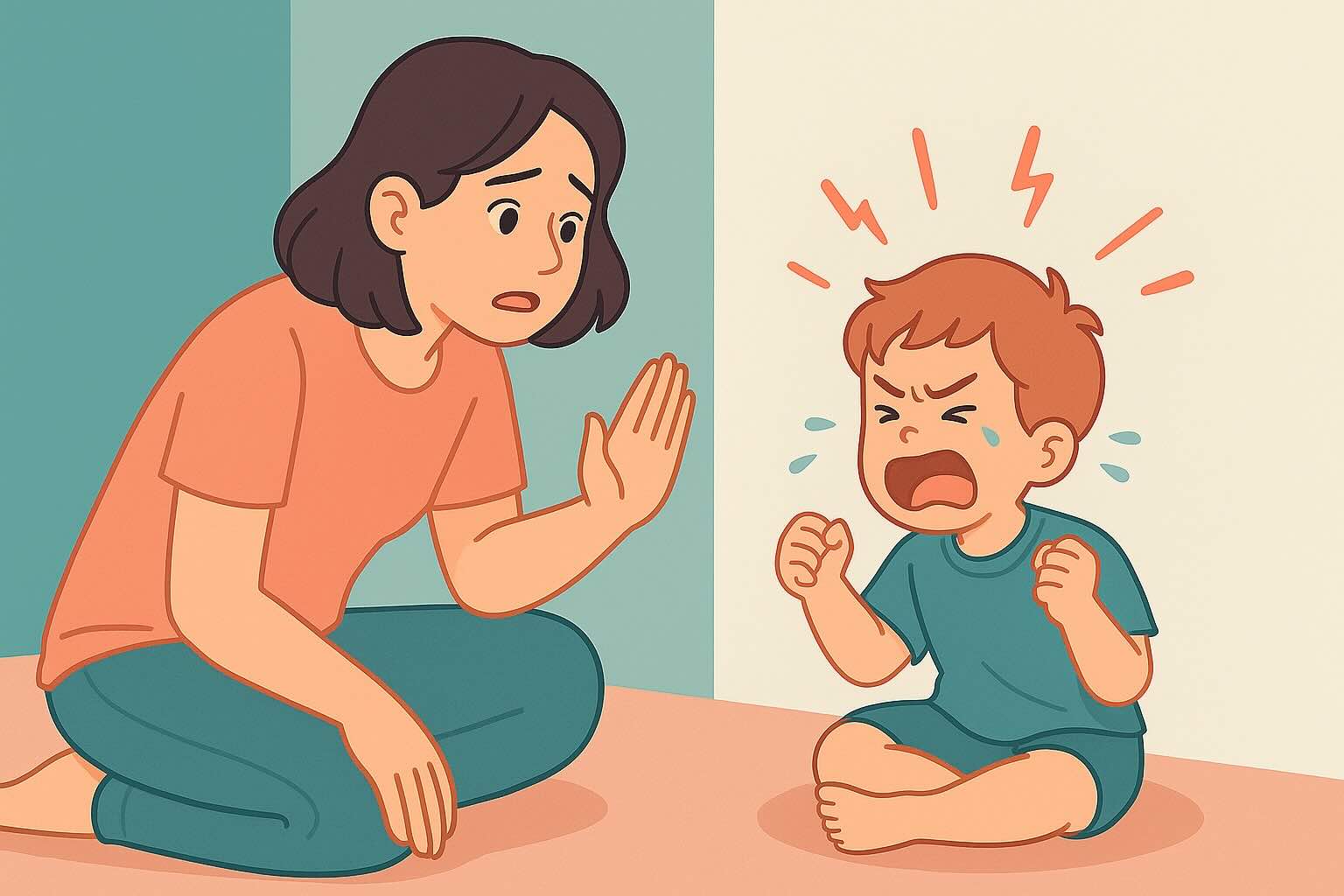
The RootWise Approach
- Connection-focused strategies that prevent power struggles
- Respectful boundaries that build cooperation
- Age-appropriate guidance balancing firmness with empathy
Start Your Journey
Perfect For You If...
Handling Daily Tantrums
You want to respond to meltdowns with compassion while teaching emotional regulation, instead of using timeouts or punishments.

Setting Loving Boundaries
You struggle to find the balance between being too strict and too permissive, and want to set limits that your child actually respects.

Building Deeper Connection
You want to strengthen your relationship with your child while still maintaining authority and teaching important life lessons.
Start Your Journey
Your Gentle Parenting Journey
Transform your parenting approach in 4 simple steps
Understand Triggers
Identify your parenting patterns and what triggers challenging behaviors in your child.
Learn Strategies
Get evidence-based techniques tailored to your child's age and temperament.
Practice Daily
Apply gentle parenting principles in real-time with 24/7 support when you need it.
Build Connection
Watch your relationship deepen as cooperation and emotional regulation improve.
Understand Triggers
Identify your parenting patterns and what triggers challenging behaviors in your child.
Learn Strategies
Get evidence-based techniques tailored to your child's age and temperament.
Practice Daily
Apply gentle parenting principles in real-time with 24/7 support when you need it.
Build Connection
Watch your relationship deepen as cooperation and emotional regulation improve.
Start Your Journey
Everything You Need for Gentle Parenting Success
Personalized Strategies
Get advice tailored to your child's age (2-7 years), temperament, and your specific challenges.
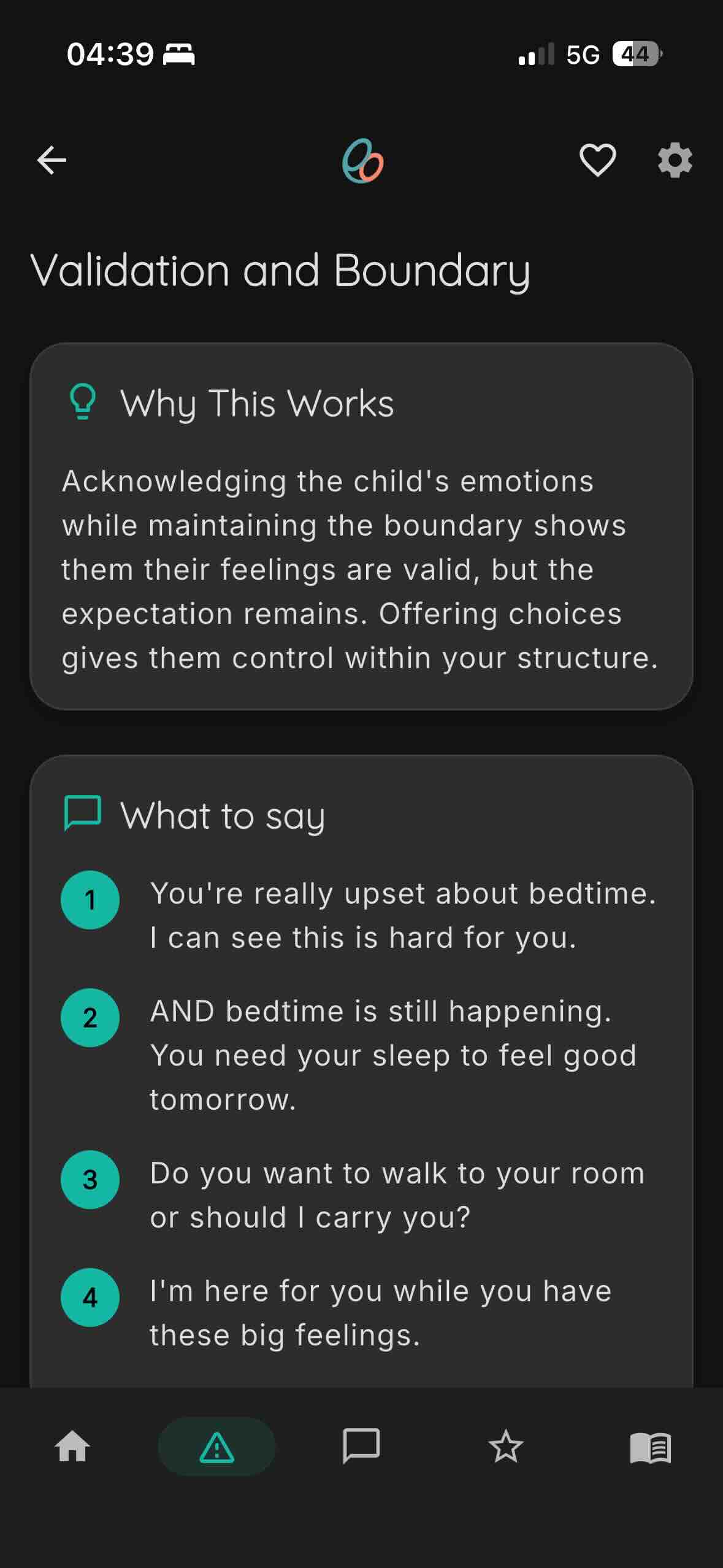
24/7 Support
When you're struggling at 3am or in the middle of a grocery store meltdown, get immediate guidance.
Multi-Language
Access gentle parenting support in English, German, and Spanish.
Evidence-Based
All strategies are rooted in child development research and attachment theory.
👩👧👦 Multi-Child Support
Manage multiple children with different needs and ages simultaneously.
♀️ Self-Care Reminders
Because you can't pour from an empty cup - get prompts to take care of yourself too.
Download Free App
Gentle Parenting by Age: What Works for YOUR Child
The Testing Phase
Key Characteristics:
- ✓Limited language for expressing needs
- ✓Big emotions, tiny regulation skills
- ✓Testing every boundary repeatedly
- ✓Seeking autonomy ("Me do it!")
- ✓Parallel play, not cooperative play
- ✓Frequent meltdowns over small things
Best Approach:
Focus on co-regulation and simple choices. This age needs YOU to be their emotional anchor. Redirect instead of saying no constantly. Use play to teach concepts. Validate their feelings even when you hold the boundary. "You're upset you can't have candy. I hear you. Candy is after dinner."
Timeline:
Emotional regulation won't click overnight. Expect 6-12 months of consistent gentle responses before you see major improvements. That's normal brain development.
When to Seek Help:
Excessive aggression toward others, complete inability to self-soothe with support, no language development by age 3. Consult pediatrician if concerned.
Big Emotions, Growing Skills
Key Characteristics:
- ✓Better verbal skills for expression
- ✓Understanding cause and effect
- ✓Beginning empathy development
- ✓More complex social interactions
- ✓Testing limits with intent
- ✓Seeking more independence
Best Approach:
Teach emotion vocabulary and co-regulation skills. Problem-solve AFTER emotions calm, not during. Use natural consequences when safe. Build empathy through perspective-taking: "How do you think your brother felt when you took his toy?" This age can handle more complexity in discussions.
Timeline:
Emotion regulation skills develop rapidly at this age. Expect significant improvement in 3-6 months with consistent gentle approaches.
When to Seek Help:
No improvement in emotional regulation over 6+ months, extreme aggression, refusing all parental guidance. Consider consulting child psychologist.
Growing Independence
Key Characteristics:
- ✓Strong verbal and reasoning skills
- ✓Developing internal moral compass
- ✓Peer influence increasing
- ✓Complex social dynamics
- ✓Capable of self-regulation with support
- ✓Understanding abstract concepts
Best Approach:
Shift to collaborative problem-solving. Use family meetings for rule-making. Logical consequences tied directly to actions. Give them scaffolded autonomy—guide from the side, not above. "I notice you forgot to pack your backpack. What's your plan to remember tomorrow?" Let them develop solutions.
Timeline:
This age can make rapid progress in self-regulation and responsibility when given respect and autonomy. Expect visible changes in 2-4 months.
When to Seek Help:
Complete lack of impulse control, inability to maintain friendships, extreme defiance beyond normal testing. Seek professional support if patterns persist.
Frequently Asked Questions About Gentle Parenting
Isn't gentle parenting just permissive parenting?
No. Gentle parenting maintains firm boundaries while responding with empathy. Permissive parenting lacks structure and boundaries. Gentle parents say "no" when necessary but explain why and validate feelings. The key difference is high warmth WITH high expectations, not high warmth alone.
What do I do when gentle parenting doesn't work?
First, check if you're being truly consistent and if your expectations are developmentally appropriate. Gentle parenting takes time - you're teaching skills, not controlling behavior. If you've been consistent for several weeks and see no improvement, consider whether your child has unmet needs (sleep, sensory, emotional) or if you need to adjust your approach for their unique temperament.
How do I set boundaries without punishment?
Use natural consequences, logical consequences, and problem-solving. Instead of "You can't have dessert because you didn't eat dinner" (punishment), try "We eat dessert after we get nutrition from dinner" (logical consequence). Focus on teaching cause-and-effect and problem-solving rather than making them suffer for mistakes.
Won't my child walk all over me if I'm too gentle?
Gentle doesn't mean weak. You can be firm and kind simultaneously. The key is being calm and consistent with boundaries while showing empathy for their feelings. Children actually respect boundaries more when they feel understood, not controlled.
How do I stay calm when I'm triggered?
Remember that your child's behavior is communication, not manipulation. Take deep breaths, step away if safe to do so, and remember your goal is connection, not perfection. Consider what's triggering you - often it's our own childhood experiences, not the current situation. Get support for your own healing.
What if my partner doesn't believe in gentle parenting?
Start with finding common ground - you both want your children to thrive. Share research on the long-term benefits of gentle parenting. Model the approach and let results speak for themselves. Consider family therapy if needed. Remember: even one gentle parent makes a significant positive impact.
Ready to Transform Your Parenting Journey?
Join thousands of parents who are building stronger connections with their children through gentle, evidence-based parenting strategies.
Start Your Journey
✓ Cancel anytime ✓ Private & secure