Your Potty Training Coach: Stress-Free Success in Days
Ditch the stress and power struggles. Get personalized, step-by-step guidance for successful potty training at your child's pace.
Method
Success Rate
Age Range (Years)
Expert Support


Common Potty Training Struggles
- Constant accidents and resistance to using the toilet
- Power struggles that make training take months instead of days
- Confusion about when to start and how to handle setbacks
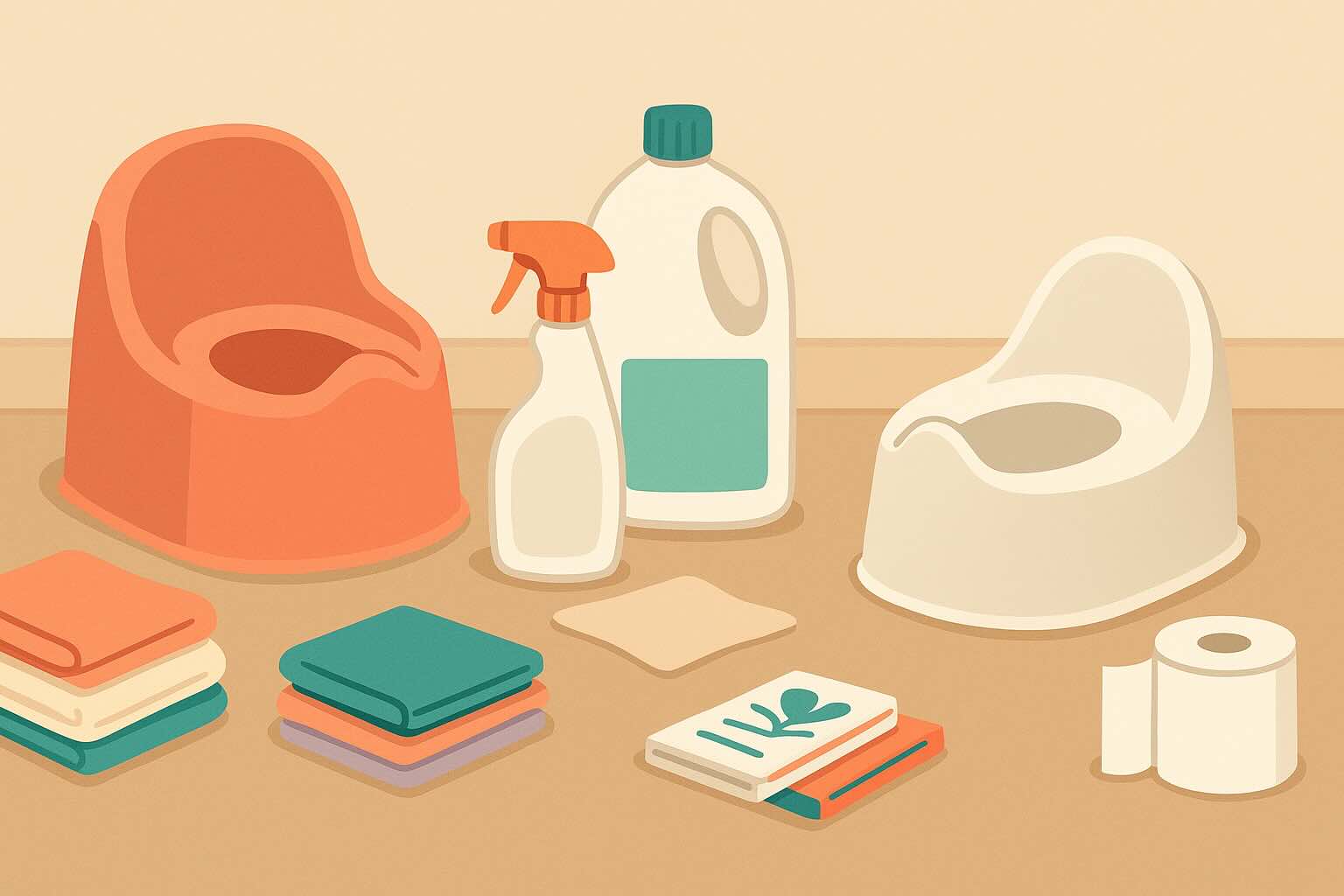
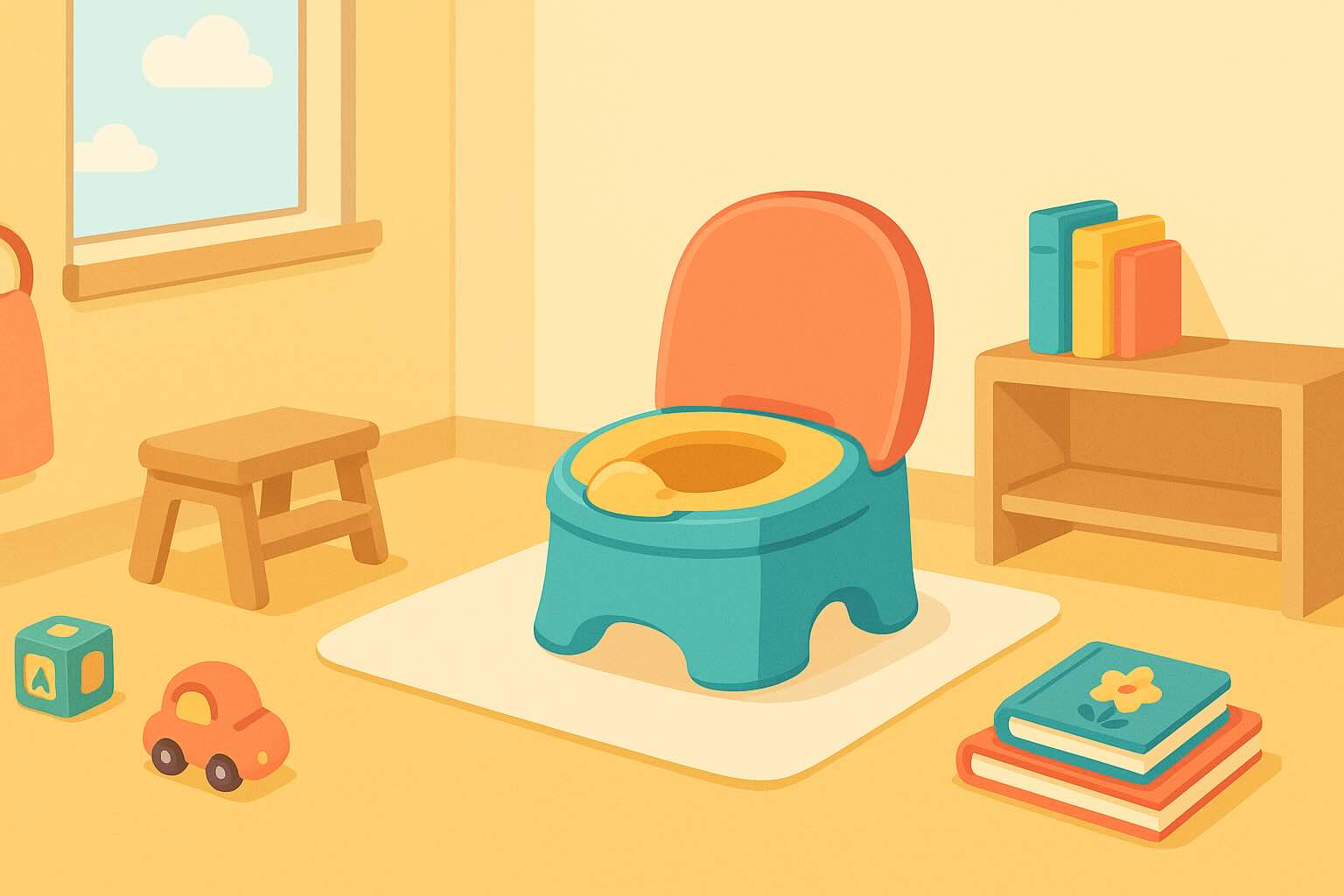
The RootWise Potty Method
- Child-led readiness assessment for perfect timing
- Positive reinforcement without bribes or pressure
- Clear roadmap for handling accidents, regression, and night training
Start Potty Training
Perfect For You If...
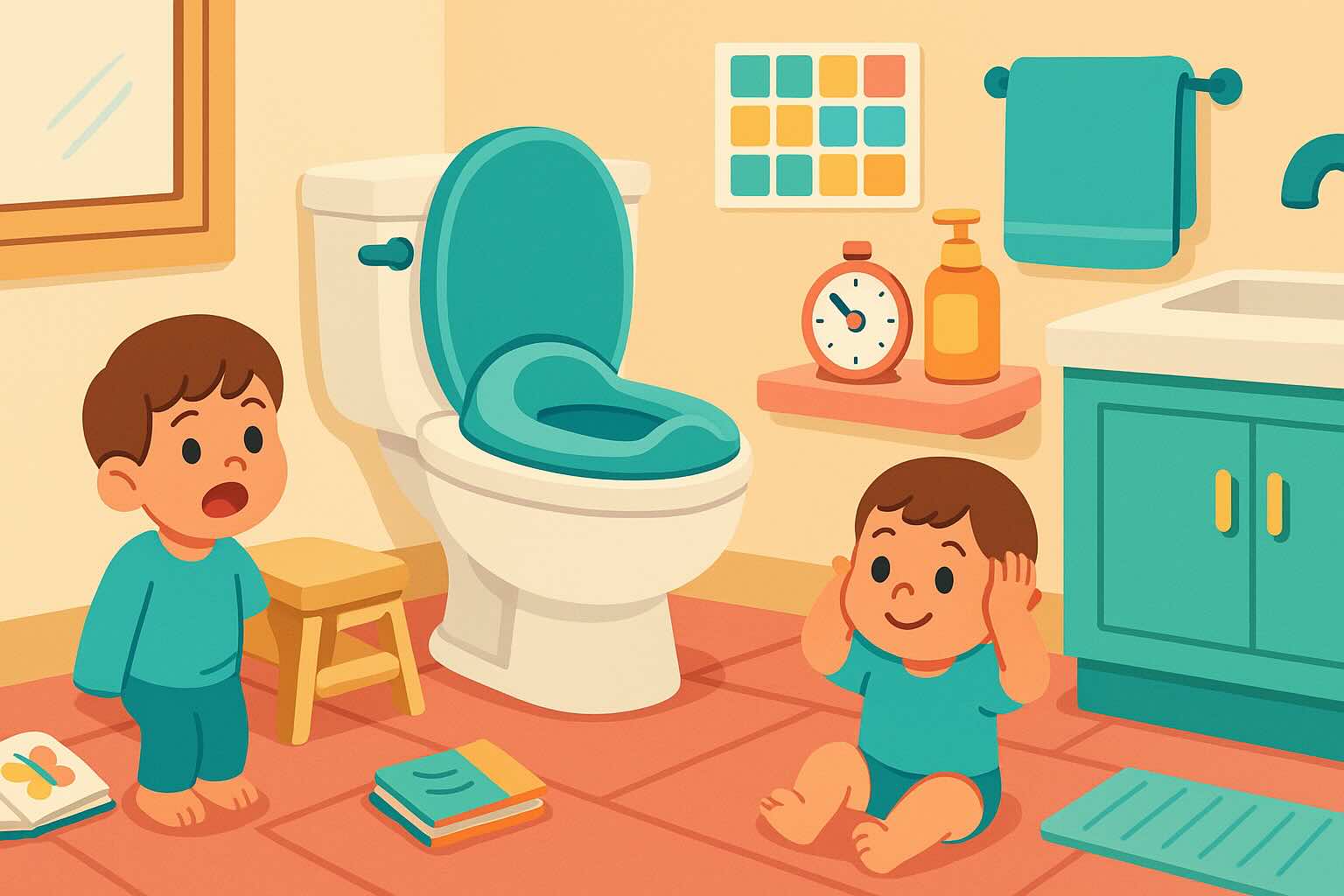
Starting Potty Training
You're ready to begin but overwhelmed by conflicting advice. Get a clear, proven method that works for your child.
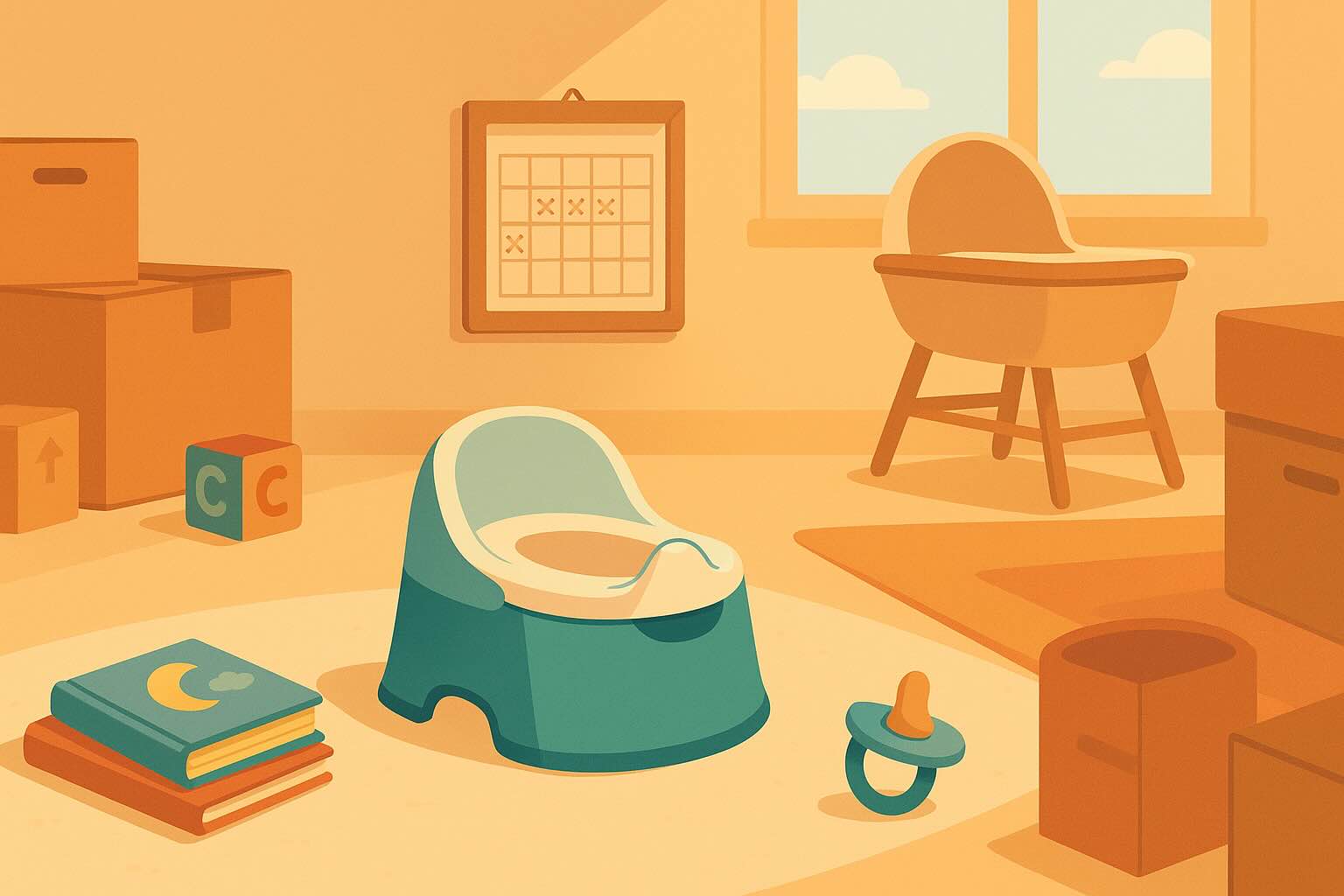
Handling Regression
Your child was doing well but suddenly started having accidents again. Understand why and how to get back on track.
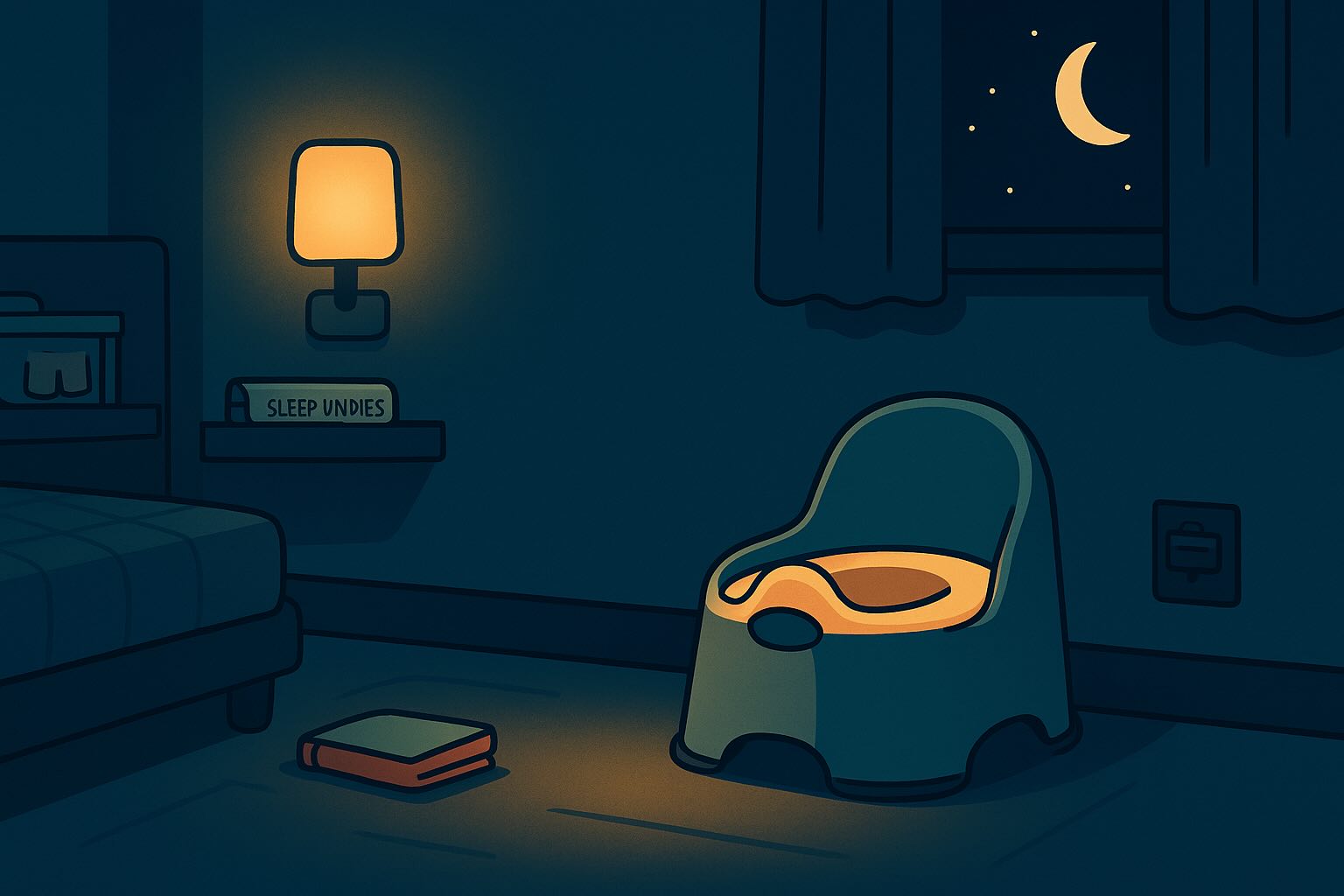
Night Training
Daytime is going well but nights are still a struggle. Get strategies for dry nights without shame or pressure.
Start Potty Training
Your Potty Training Journey
From diapers to independence in simple steps
Assess Readiness
Use our comprehensive readiness quiz to determine if your child is truly ready.
Prepare Together
Get your child excited about potty training with our preparation strategies.
Launch Your Method
Follow our proven 3-day intensive method or gradual approach based on your child.
Mastery & Independence
Build confidence and independence with consistent practice.
Assess Readiness
Use our comprehensive readiness quiz to determine if your child is truly ready.
Prepare Together
Get your child excited about potty training with our preparation strategies.
Launch Your Method
Follow our proven 3-day intensive method or gradual approach based on your child.
Mastery & Independence
Build confidence and independence with consistent practice.
Start Potty Training
Your Complete Potty Training Toolkit
3-Day Method
Intensive but effective approach that works for most children when they're ready.
Readiness Quiz
Know exactly when to start based on your child's developmental signs.
Accident Support
Get immediate guidance when accidents happen - what to say and do next.
Night Training
Separate strategies for achieving dry nights without pressure.
Regression Help
Understand why setbacks happen and how to navigate them with compassion.
Progress Tracking
Celebrate wins and identify patterns with simple tracking tools.
Get Potty Training Help
Potty Training by Age: What Works for YOUR Child
The Interest-Led Approach
Readiness Signs:
- ✓Stays dry for 1-2 hours
- ✓Shows curiosity about bathroom
- ✓Can pull pants up/down with help
- ✓Beginning to communicate needs
- ✓Follows simple directions
- ✓Shows awareness of going pee/poop
Approach:
Focus on building familiarity without pressure. Let them watch, read potty books, sit on potty clothed, explore at their pace. This age needs MONTHS of casual exposure, not intensive training.
Timeline:
May take 3-6 months of gentle exposure before active training begins. That's normal and healthy.
When to Seek Help:
Resistance, fear, family stress, new sibling. If you see these, wait 2-3 months and try again.
The Sweet Spot
Readiness Signs:
- ✓Verbal skills for communication
- ✓Strong independence drive
- ✓Social awareness (preschool motivation)
- ✓Physical coordination established
- ✓Can follow 2-3 step directions
- ✓Shows pride in accomplishments
Approach:
Leverage their natural desire for autonomy. Use choice-based strategies: "Do you want to try the potty before or after snack?" Make it their idea. Avoid power struggles by giving control.
Timeline:
Active training typically takes 2-6 weeks for daytime dryness. Some children train in days if truly ready.
When to Seek Help:
Power struggles, intense resistance, anxiety. If training becomes a battle, pause and reset.
The Fresh Start Method
Readiness Signs:
- ✓Understands concepts and consequences
- ✓May feel shame about not being trained
- ✓Capable of full process independently
- ✓Possible underlying fear or control issues
- ✓May need medical evaluation
- ✓Often trains quickly once ready
Approach:
Address shame first with conversations: "Every body learns on its own timeline." Rule out medical issues (constipation, sensory). Use the fresh start approach: "Your body is ready now. Let's figure this out together." Often trains within days to weeks once barriers are removed.
Timeline:
Can be surprisingly fast (3 days to 2 weeks) if truly ready and barriers are addressed.
When to Seek Help:
Pain, withholding, extreme fear, developmental concerns. Medical evaluation recommended at this age.
Potty Training FAQs
When is the best age to start potty training?
Most children show readiness signs between 2-3 years old. However, every child is different. Focus on your child's readiness signs rather than their age. Starting too early when they're not ready can actually make the process take longer.
What if my child has frequent accidents?
Accidents are a normal part of potty training and can continue for 2-3 months after initial training. Stay calm and matter-of-fact. Help your child clean up together without shame. If accidents increase suddenly after a period of success, look for stressors or changes in routine.
How do I handle nighttime potty training?
Night training typically happens 3-6 months after daytime training and requires physical maturity - specifically, the ability to wake when the bladder is full. Limit fluids 2 hours before bed, do a bathroom trip before sleep, but don't wake them during the night. Use waterproof mattress covers and be patient.
What if my child refuses to poop on the potty?
Poop resistance is common and can stem from fear of falling in, discomfort, or control issues. Make sure stools are soft through diet and hydration. Use a footstool for support. Let them poop in a diaper initially, then gradually transition to pooping in the diaper while sitting on the potty, then without the diaper.
Should I use rewards like stickers or candy?
Small rewards can be helpful in the beginning (stickers, high-fives, special songs) but avoid making them too elaborate or food-based. The goal is to transition from external rewards to internal pride in their accomplishment. Celebrate the process, not just the result.
Ready to Ditch the Diapers?
Join thousands of parents who've made potty training stress-free with RootWise.
Start Your Potty Training Journey
7-day free trial.